In today’s hyper-connected world, businesses can’t afford to communicate blindly. Enter CRM based communication—a game-changing approach that blends data, automation, and personalization to build stronger customer relationships. Let’s dive into how it works and why it’s essential.
What Is CRM Based Communication?

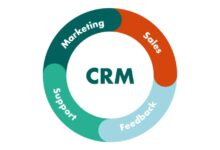
CRM based communication refers to the strategic use of Customer Relationship Management (CRM) systems to manage and enhance interactions with customers across multiple channels. It’s not just about sending emails or logging calls—it’s about creating meaningful, data-driven conversations that foster loyalty and drive sales.
The Core Concept Behind CRM Communication
At its heart, CRM based communication is about leveraging customer data to deliver timely, relevant, and personalized messages. This data includes purchase history, browsing behavior, support tickets, and demographic information—all centralized in a CRM platform.
- Centralizes customer interactions in one system
- Enables real-time tracking of customer behavior
- Facilitates targeted messaging based on user profiles
“CRM isn’t just software—it’s a strategy for putting the customer at the center of every conversation.” — Salesforce Research
How CRM Systems Enable Smarter Communication
Modern CRM platforms like Salesforce, HubSpot, and Zoho CRM go beyond contact management. They integrate with email, social media, live chat, and even AI-powered chatbots to deliver seamless communication.
- Automated workflows trigger messages based on user actions
- AI analyzes sentiment and engagement patterns
- Multi-channel synchronization ensures consistency
The Evolution of CRM Based Communication
CRM based communication has evolved from simple contact databases to intelligent, predictive systems. Understanding this evolution helps businesses appreciate its current capabilities and future potential.
From Rolodex to Cloud: A Historical Overview
In the 1980s, CRM was limited to basic contact management—think digital Rolodexes. By the 1990s, call centers began using software to track customer service interactions. The real shift came in the 2000s with cloud-based CRMs, which allowed real-time access to customer data from anywhere.
- 1980s: Contact management systems
- 1990s: Call center integration and sales force automation
- 2000s: Cloud-based platforms enable remote access and scalability
The Rise of AI and Automation in CRM
Today, artificial intelligence powers CRM based communication by predicting customer needs, automating responses, and optimizing engagement timing. For example, AI can suggest the best time to send an email or recommend products based on past behavior.
- Chatbots handle routine inquiries 24/7
- Predictive analytics forecast churn risk
- Natural language processing improves email personalization
“AI-driven CRM tools can increase sales productivity by up to 30%.” — McKinsey & Company
Key Components of Effective CRM Based Communication
To implement successful CRM based communication, businesses must understand and integrate several core components. These elements work together to create a cohesive, responsive, and scalable communication strategy.
Customer Data Integration
The foundation of any CRM based communication strategy is comprehensive data collection. This includes not only basic contact details but also behavioral data such as website visits, email opens, and social media interactions.
- Integrate data from email, social media, e-commerce, and support platforms
- Use APIs to connect third-party tools like Shopify or Mailchimp
- Ensure GDPR and CCPA compliance in data handling
Personalization Engines
Personalization is no longer optional—it’s expected. CRM systems use segmentation and dynamic content to tailor messages to individual preferences. For instance, a customer who frequently buys running shoes might receive targeted offers for new athletic gear.
- Segment audiences by behavior, location, or lifecycle stage
- Use dynamic content blocks in emails and landing pages
- Leverage merge tags for name, company, and past purchase references
Automation Workflows
Automation ensures that no customer falls through the cracks. From welcome sequences to re-engagement campaigns, CRM based communication automates repetitive tasks while maintaining a human touch.
- Set up drip campaigns for onboarding new users
- Trigger follow-ups after cart abandonment
- Automate birthday or anniversary messages
Benefits of CRM Based Communication for Businesses
Adopting CRM based communication offers tangible advantages across departments—from sales and marketing to customer service and product development.
Improved Customer Retention
One of the most significant benefits of CRM based communication is increased customer retention. By staying engaged with customers through personalized outreach, businesses reduce churn and boost lifetime value.
- Send proactive support tips before issues arise
- Offer exclusive loyalty rewards via CRM-triggered emails
- Identify at-risk customers using engagement scoring
“It costs 5–25x more to acquire a new customer than to retain an existing one.” — Harvard Business Review
Higher Sales Conversion Rates
CRM based communication enables sales teams to engage leads at the right moment with the right message. With access to lead scoring, activity history, and automated reminders, reps close deals faster and more efficiently.
- Automatically assign leads based on geography or product interest
- Track email open rates and click behavior to gauge interest
- Use CRM insights to personalize sales pitches
Enhanced Cross-Department Collaboration
A unified CRM system breaks down silos between departments. Marketing can see how campaigns impact sales, support can access purchase history, and product teams can gather feedback—all within the same platform.
- Shared dashboards improve transparency
- Internal notes keep everyone informed
- Task assignments streamline handoffs
Top CRM Platforms for Modern Communication Strategies
Choosing the right CRM platform is critical for effective CRM based communication. Here are some of the leading solutions that empower businesses to communicate smarter.
Salesforce: The Enterprise Leader
Salesforce remains the gold standard for large organizations seeking robust CRM based communication tools. Its Einstein AI, Marketing Cloud, and Service Cloud offer end-to-end customer engagement capabilities.
- Advanced analytics and forecasting
- Omni-channel support (email, phone, chat, social)
- Extensive app ecosystem via AppExchange
Learn more at salesforce.com.
HubSpot: The All-in-One Inbound Platform
HubSpot excels in combining CRM, marketing automation, sales tools, and customer service in one intuitive interface. It’s ideal for SMBs looking to scale their CRM based communication without complexity.
- Free CRM with powerful communication features
- Drag-and-drop email and workflow builders
- Seamless integration with WordPress, Zoom, and Slack
Explore HubSpot at hubspot.com.
Zoho CRM: The Cost-Effective Powerhouse
Zoho CRM offers enterprise-grade functionality at a fraction of the cost. Its AI assistant, Zia, automates follow-ups, predicts deal closures, and optimizes communication timing.
- Budget-friendly pricing with scalable tiers
- Strong mobile app for on-the-go access
- Deep integration with other Zoho products (Books, Campaigns, Desk)
Visit zoho.com/crm for details.
Challenges and Pitfalls in CRM Based Communication
Despite its benefits, CRM based communication isn’t without challenges. Organizations must navigate technical, cultural, and strategic obstacles to succeed.
Data Quality and Integration Issues
Poor data quality—duplicate entries, outdated information, or missing fields—can undermine even the most sophisticated CRM based communication strategy. Without clean data, personalization fails and automation misfires.
- Implement data validation rules during entry
- Schedule regular data audits and cleansing
- Use deduplication tools within the CRM
Over-Automation and Loss of Human Touch
While automation is powerful, over-reliance can make communication feel robotic. Customers may disengage if every message feels templated or impersonal.
- Balance automation with manual follow-ups for high-value clients
- Use AI suggestions as a starting point, not a final draft
- Train teams to add personal notes and empathy
“Automation should enhance humanity, not replace it.” — Mary Barra, CEO of General Motors
Resistance to Adoption and Training Gaps
Even the best CRM system fails if employees don’t use it. Resistance often stems from lack of training, unclear benefits, or fear of increased workload.
- Provide hands-on training and ongoing support
- Highlight time-saving benefits for daily tasks
- Appoint internal champions to drive adoption
Future Trends in CRM Based Communication
The future of CRM based communication is shaped by emerging technologies and shifting customer expectations. Staying ahead of these trends ensures long-term relevance and competitiveness.
AI-Powered Predictive Engagement
Next-generation CRM systems will predict not just what customers want, but when they’ll want it. AI will analyze behavioral patterns to initiate conversations before the customer even reaches out.
- Predictive chatbots offer help based on browsing hesitation
- Smart scheduling suggests optimal call times
- Proactive service alerts prevent issues (e.g., low inventory)
Hyper-Personalization with Real-Time Data
Future CRM based communication will leverage real-time data streams—from IoT devices to location tracking—to deliver context-aware messages. Imagine a retail app sending a discount as a customer walks past a store.
- Integrate with wearable tech and smart home devices
- Use geofencing for location-based offers
- Adapt messaging based on current weather or events
Privacy-First Communication Models
As data privacy regulations tighten, CRM based communication must evolve to respect user consent. Zero-party data—information customers willingly share—will become more valuable than third-party tracking.
- Implement clear opt-in mechanisms
- Offer value in exchange for data (e.g., personalized recommendations)
- Enable easy data access and deletion options
“The future of marketing is not about invading privacy, but earning trust.” — Seth Godin
How to Implement CRM Based Communication in Your Business
Implementing CRM based communication doesn’t have to be overwhelming. A structured approach ensures smooth adoption and measurable results.
Step 1: Assess Your Current Communication Gaps
Begin by auditing your existing customer touchpoints. Identify where communication breaks down—slow response times, inconsistent messaging, or lack of follow-up.
- Map the customer journey from awareness to retention
- Survey customers about their experience
- Analyze support ticket trends and email engagement
Step 2: Choose the Right CRM Platform
Select a CRM that aligns with your business size, industry, and goals. Consider factors like ease of use, integration capabilities, and scalability.
- For startups: HubSpot or Zoho CRM
- For enterprises: Salesforce or Microsoft Dynamics 365
- For e-commerce: Klaviyo or ActiveCampaign
Step 3: Integrate Data Sources and Automate Workflows
Connect your CRM to email, social media, website forms, and e-commerce platforms. Then, build automated workflows for common scenarios like lead nurturing or post-purchase follow-ups.
- Use Zapier or native integrations to sync tools
- Create a welcome email series for new subscribers
- Set up abandoned cart reminders with personalized product suggestions
Step 4: Train Your Team and Monitor Performance
Ensure all team members understand how to use the CRM effectively. Establish KPIs—like response time, conversion rate, and customer satisfaction—to measure success.
- Conduct regular training sessions
- Share performance dashboards with the team
- Iterate based on feedback and results
What is CRM based communication?
CRM based communication is the strategic use of Customer Relationship Management systems to manage, personalize, and automate interactions with customers across various channels. It leverages data to deliver timely, relevant messages that improve engagement and loyalty.
How does CRM improve customer communication?
CRM improves communication by centralizing customer data, enabling personalization, automating responses, and providing insights into customer behavior. This leads to more relevant, timely, and consistent interactions across email, social media, phone, and chat.
Which CRM platform is best for communication?
The best CRM for communication depends on your needs. Salesforce offers the most advanced features for large enterprises, HubSpot provides an all-in-one solution for SMBs, and Zoho CRM delivers strong functionality at a lower cost.
Can CRM systems integrate with email and social media?
Yes, most modern CRM platforms integrate seamlessly with email services (like Gmail and Outlook), social media platforms (such as Facebook and LinkedIn), and messaging apps (including WhatsApp and Slack) to enable unified communication.
Is CRM based communication suitable for small businesses?
Absolutely. Many CRM platforms offer affordable or even free plans tailored for small businesses. Tools like HubSpot CRM and Zoho CRM provide essential communication features without requiring a large budget or IT team.
CRM based communication is no longer a luxury—it’s a necessity for businesses aiming to thrive in a customer-centric world. From improving retention to boosting sales and enhancing collaboration, the benefits are clear. By understanding its components, choosing the right tools, and staying ahead of trends, any organization can build stronger, more meaningful relationships with its customers. The future of communication is intelligent, personalized, and powered by CRM.
Further Reading:
