Ever wondered how some companies effortlessly scale their customer relationships? The secret might lie in a PLG based CRM. Blending product-led growth with smart customer management, this approach is reshaping how businesses grow—naturally and sustainably.
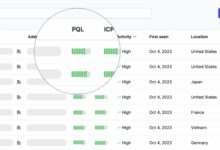
What Is a PLG Based CRM?

The term PLG based CRM is gaining traction in the SaaS and tech-enabled business world. But what exactly does it mean? At its core, it combines the principles of Product-Led Growth (PLG) with Customer Relationship Management (CRM) systems to create a seamless, user-driven experience that prioritizes product usage as the primary engine for customer acquisition, retention, and expansion.
Defining Product-Led Growth (PLG)
Product-Led Growth is a go-to-market strategy where the product itself is the main driver of customer acquisition, conversion, and expansion. Unlike traditional sales-led or marketing-led models, PLG relies on users experiencing the product firsthand—often through free trials, freemium models, or self-serve onboarding.
- Users sign up and start using the product with minimal friction.
- Value is delivered quickly, often within minutes of signup.
- Expansion happens organically as users discover advanced features or invite team members.
Companies like Slack, Notion, and Zoom are textbook examples of PLG success. Their products are intuitive, valuable from day one, and spread virally through user networks.
Understanding CRM Systems
Customer Relationship Management (CRM) systems have long been the backbone of sales and customer support operations. Traditional CRMs like Salesforce, HubSpot, and Zoho help businesses track interactions, manage leads, and forecast sales. They are typically sales-led, requiring manual input and often complex workflows.
However, traditional CRMs can be slow to adapt to user behavior within the product. They often operate in silos, disconnected from actual product usage data. This is where the integration with PLG becomes transformative.
“The future of CRM isn’t just about managing relationships—it’s about understanding behavior. PLG based CRM bridges that gap.” — TechCrunch, 2023
How PLG Based CRM Differs From Traditional CRM
The fundamental difference between a PLG based CRM and a traditional CRM lies in data origin and user engagement. While traditional CRMs rely on manual data entry and external touchpoints (emails, calls, meetings), PLG based CRMs are powered by real-time product usage data.
Data-Driven Insights vs. Manual Input
In a traditional CRM, a sales rep might log a call or update a lead status based on a conversation. In a PLG based CRM, the system automatically captures when a user signs up, which features they use, how often they log in, and even when they hit a usage threshold that indicates readiness for upsell.
- Behavioral data is automatically ingested from the product.
- Lead scoring is based on actual engagement, not just demographic fit.
- Sales teams are alerted only when a user shows high intent—reducing wasted outreach.
This shift from manual to automated, behavior-based tracking makes the CRM far more accurate and actionable.
User-Centric Journey vs. Sales-Centric Funnel
Traditional CRMs are built around a linear sales funnel: lead → opportunity → close. The focus is on moving prospects through stages defined by the sales team. In contrast, a PLG based CRM maps the user journey within the product itself.
For example, a user might start as a free-tier customer, then upgrade after using a premium feature. The CRM recognizes this behavioral milestone and triggers a personalized onboarding sequence or a targeted offer. The journey is non-linear and user-driven, not sales-driven.
This approach aligns perfectly with how modern users prefer to buy—by trying before committing.
Key Features of a PLG Based CRM
To be truly effective, a PLG based CRM must include specific capabilities that support a product-led strategy. These features go beyond basic contact management and dive deep into user behavior analytics.
Real-Time Product Usage Tracking
The cornerstone of any PLG based CRM is the ability to track how users interact with the product in real time. This includes metrics like:
- Daily/Weekly Active Users (DAU/WAU)
- Feature adoption rates
- Time to first value (TTFV)
- Session duration and frequency
Tools like Mixpanel and Amplitude specialize in this type of analytics and can be integrated into CRM platforms to enrich user profiles.
Automated Lead Scoring Based on Behavior
Instead of scoring leads based on job title or company size, a PLG based CRM uses behavioral signals to determine readiness to buy. For example:
- A user who has used the reporting feature three times in a week might be scored as “high intent.”
- A team that has invited five members might be flagged for an enterprise plan.
- Inactivity for 14 days could trigger a re-engagement campaign.
This behavioral scoring ensures that sales efforts are focused on users who are already deriving value and are more likely to convert.
Self-Serve Onboarding and Upsell Paths
One of the hallmarks of PLG is the ability for users to onboard themselves. A PLG based CRM supports this by delivering contextual in-app messages, tooltips, and guided tours based on user behavior.
For instance, if a user frequently uses a basic feature, the CRM can trigger an in-app prompt suggesting a related premium feature. This creates a frictionless path from discovery to upgrade—without requiring a sales call.
“When your product sells itself, your CRM should know when to step in—and when to stay out of the way.” — SaaS Growth Weekly
Benefits of Implementing a PLG Based CRM
Adopting a plg based crm isn’t just a tech upgrade—it’s a strategic shift that can transform how your business grows. The benefits are both operational and financial.
Accelerated Customer Acquisition
Because PLG based CRMs rely on product usage, they enable faster onboarding and lower customer acquisition costs (CAC). Users can sign up and start using the product immediately, reducing dependency on sales teams for initial conversion.
- Free trials convert at higher rates when users experience value quickly.
- Viral loops (e.g., team invites) drive organic growth.
- Reduced need for large sales teams in early stages.
According to a report by OpenView Partners, PLG companies grow 2-3x faster than traditional SaaS businesses.
Improved Customer Retention
Retention is directly tied to product engagement. A plg based crm helps identify at-risk users before they churn by monitoring usage patterns.
For example, if a user stops logging in or stops using a core feature, the CRM can trigger an automated email sequence or alert a customer success manager. Proactive intervention based on real data significantly improves retention rates.
Companies using PLG strategies report churn rates up to 30% lower than industry averages.
Higher Lifetime Value (LTV)
Because PLG based CRMs enable organic expansion within accounts, they naturally increase customer lifetime value. Users start small but grow into larger plans as their needs evolve.
- Land-and-expand strategy becomes effortless.
- Internal advocacy within organizations drives team-wide adoption.
- Upsell opportunities are triggered by usage, not pushy sales tactics.
This bottom-up growth model leads to higher LTV/CAC ratios, a key metric for sustainable SaaS growth.
Top PLG Based CRM Platforms in 2024
While no single platform is marketed exclusively as a “PLG based CRM,” several tools offer the right combination of product analytics, automation, and CRM functionality to support a PLG strategy.
HubSpot with Product Analytics Integration
HubSpot has evolved beyond its marketing roots to support PLG strategies. With integrations to tools like Amplitude and Mixpanel, it can ingest product usage data and enrich contact records.
- Behavioral data triggers workflows and email campaigns.
- Custom properties track feature usage and engagement scores.
- Free tier allows startups to adopt PLG principles early.
Learn more at HubSpot.com.
Intercom as a PLG CRM
Intercom is often cited as a leader in PLG-enabling platforms. Its Messenger, Help Center, and Product Tours are designed to guide users through the product experience.
Intercom’s Product Tours and Academy features allow businesses to create self-serve onboarding flows. Its Customer Segments are based on behavior, not just demographics, making it a powerful plg based crm tool.
- Real-time messaging for instant support.
- Behavioral triggers for in-app messages.
- Lead scoring based on product engagement.
Explore Intercom’s PLG capabilities at Intercom.com.
Copper for Google Workspace (PLG-Friendly CRM)
Copper is a CRM built for Google Workspace that emphasizes ease of use and automation. While not a pure PLG CRM, its simplicity and integration with G Suite make it ideal for product-led teams.
- Automatic contact logging from Gmail and Calendar.
- AI-powered insights reduce manual data entry.
- Free trial with full functionality lowers barrier to entry.
Visit Copper.com to learn more.
How to Build a PLG Based CRM Strategy
Implementing a plg based crm isn’t just about choosing the right tool—it’s about aligning your entire organization around product-led principles.
Map the User Journey
Start by mapping out the ideal user journey from signup to expansion. Identify key milestones such as:
- First login
- First action (e.g., creating a project)
- Time to first value (e.g., generating a report)
- Team invite
- Premium feature usage
Each milestone should trigger a specific action in your CRM—whether it’s a welcome email, a tutorial, or a sales alert.
Integrate Product and CRM Data
To power a plg based crm, you need to connect your product analytics platform (e.g., Mixpanel, Amplitude) with your CRM (e.g., HubSpot, Salesforce).
This can be done through:
- Native integrations (e.g., HubSpot + Amplitude)
- API connections
- Middleware platforms like Zapier or Segment
Once integrated, user behavior in the product will automatically update CRM records, enabling smarter segmentation and automation.
Empower Teams with Behavioral Insights
Sales, marketing, and customer success teams must be trained to act on behavioral data, not just demographic data.
For example:
- Sales should prioritize leads who have used key features, not just those from big companies.
- Marketing should create campaigns for users who have reached specific usage thresholds.
- Customer success should proactively reach out to users showing signs of disengagement.
This shift requires a cultural change, but the payoff in efficiency and conversion is substantial.
Challenges and Pitfalls of PLG Based CRM
While the benefits are compelling, adopting a plg based crm comes with challenges that must be addressed.
Data Silos and Integration Complexity
Many companies struggle with disconnected systems. Product data lives in Amplitude, CRM data in Salesforce, and support tickets in Zendesk. Without proper integration, a true PLG based CRM cannot function.
Solution: Invest in a data warehouse (e.g., Snowflake) or a customer data platform (CDP) like Segment to unify data sources.
Over-Reliance on Automation
While automation is a strength of PLG, over-automating can lead to impersonal experiences. Users may feel bombarded with in-app messages or emails if triggers aren’t carefully designed.
Solution: Use A/B testing to refine messaging and ensure that automated touchpoints add value, not noise.
Scaling Beyond Self-Serve
As companies grow, they often need to introduce sales teams to handle enterprise deals. The challenge is balancing self-serve PLG with high-touch sales without alienating either segment.
Solution: Implement a hybrid model where small customers remain self-serve, while high-intent users are handed off to sales. The plg based crm should identify these handoff points automatically.
“PLG doesn’t mean no sales—it means smarter sales.” — OpenView Blog
Future Trends in PLG Based CRM
The evolution of plg based crm is far from over. Emerging technologies and shifting user expectations are shaping the next generation of customer management systems.
AI-Powered Predictive Engagement
Artificial intelligence is making PLG based CRMs even smarter. AI can predict which users are likely to convert, churn, or expand based on historical patterns.
- Predictive lead scoring
- Automated content recommendations
- Dynamic pricing based on usage
Platforms like Gong and Chorus are already using AI to analyze customer interactions, and this will soon be embedded in CRM workflows.
Embedded Analytics and In-Product Guidance
Future CRMs will not just track behavior—they will guide it. Imagine a CRM that suggests the next best action to a user inside the product, based on what similar users did to achieve success.
This level of in-product intelligence will blur the line between CRM and product experience.
Privacy-First PLG Strategies
With increasing data privacy regulations (GDPR, CCPA), companies must balance personalization with consent. Future plg based crm systems will need to be transparent about data collection and offer users control over their experience.
Zero-party data—information users willingly share—will become more valuable than third-party tracking.
What is a PLG based CRM?
A PLG based CRM is a customer relationship management system that integrates product usage data to drive customer acquisition, retention, and expansion. It combines Product-Led Growth principles with CRM functionality to create a user-driven growth engine.
How does a PLG based CRM reduce customer acquisition costs?
By enabling self-serve onboarding and free trials, a PLG based CRM reduces reliance on sales teams for initial conversions. Users experience value quickly, leading to higher organic conversion rates and lower CAC.
Can traditional CRMs support PLG strategies?
Yes, but only with integration. Traditional CRMs like Salesforce or HubSpot can support PLG if connected to product analytics tools. However, native PLG capabilities are limited without behavioral data.
What are the best tools for building a PLG based CRM?
Top tools include HubSpot (with Amplitude integration), Intercom, Mixpanel, and Segment. These platforms offer the right mix of CRM, automation, and product analytics.
Is PLG suitable for all businesses?
PLG works best for product-centric companies, especially SaaS and tech-enabled services. It’s less effective for highly complex, enterprise-only sales cycles that require extensive human interaction.
Adopting a PLG based CRM is more than a tactical shift—it’s a strategic evolution. By putting the product at the center of the customer journey, businesses can achieve faster growth, higher retention, and deeper user engagement. The integration of real-time behavioral data into CRM systems enables smarter decisions, more personalized experiences, and scalable growth. As AI and privacy-aware technologies evolve, the PLG based CRM will become even more powerful, transforming how companies build lasting customer relationships.
Further Reading:
